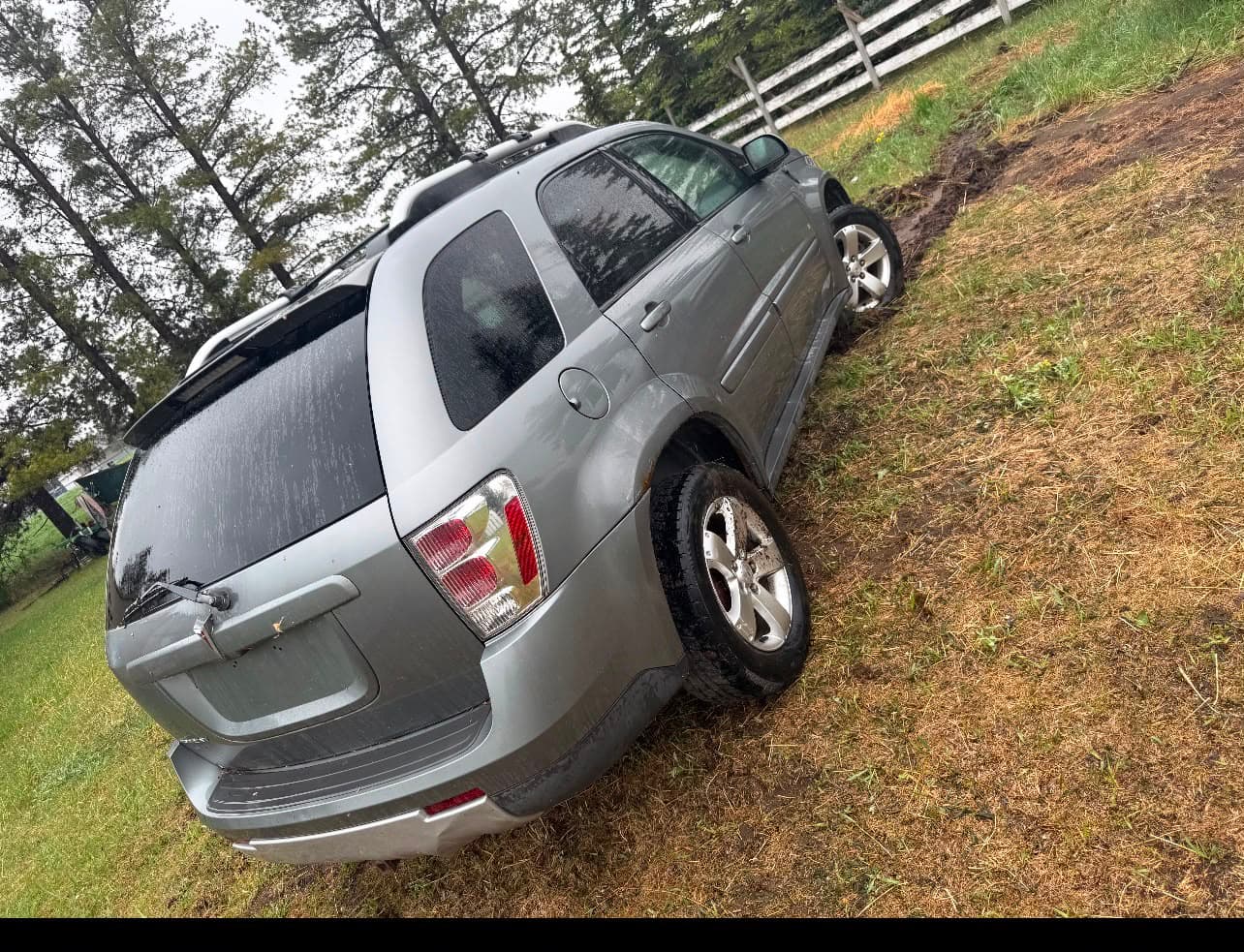
There's a particular kind of frustration that comes with owning a car that won't start. It's not going anywhere, you can't sell it the normal way, and every option seems to involve you paying someone. Meanwhile it occupies a parking stall, attracts bylaw attention, and quietly depreciates.
Here's what most Calgary owners don't realize: a vehicle that doesn't run is not a vehicle without value. The market for dead cars in Alberta is active, competitive, and pays cash. You just need to approach it correctly.
Where the Money Actually Comes From
Understanding why a broken car is worth anything makes the rest of this process make sense.
- Weight. Your car is several thousand pounds of steel, aluminum, and copper. Scrap metal processors in Alberta buy this by the tonne, and commodity prices set a floor under your vehicle's value regardless of whether it starts.
- Components. An engine that won't turn over still contains a functional alternator, starter, power steering pump, and dozens of other parts a rebuilder will pay for. A collision-damaged front end doesn't affect the transmission sitting behind it. Recyclers strip these systematically and resell them to Calgary body shops and mechanics.
- The catalytic converter. This single part contains platinum, palladium, and rhodium. It's frequently the highest-value individual component in an older vehicle, and it doesn't care whether your engine runs.
Put together, a non-running car in Calgary commonly fetches somewhere between a few hundred and well over a thousand dollars, depending on size and model.
Your Three Realistic Options
Option 1: A Calgary Cash for Cars Buyer
This is the path most owners take, and for good reason. A dedicated buyer quotes you over the phone, dispatches free towing to your address, and pays on collection. There's no listing, no negotiation with strangers, and no arranging transport for an immobile vehicle.
If you haven't dealt with a scrap buyer before, the complete cash for cars process in Calgary walks through each stage from quote to payment.
Option 2: A Private Sale
You can list a non-runner on Kijiji or Marketplace as "as-is, where-is." Some mechanically inclined buyers do hunt for project cars. But be realistic: your buyer pool shrinks dramatically, you'll field time-wasters, and the towing question becomes a negotiating lever used against you. Expect this to take weeks.
Option 3: Part It Out Yourself
If you have tools, space, and time, stripping and selling components individually can maximize returns. A transmission might bring several hundred dollars on its own. But you'll spend weekends on it, you need somewhere to store parts, and you're still left with a stripped shell that needs disposal, which brings you back to option one anyway.
For most people, the convenience gap between option one and the others is large enough that it isn't a close call.
What You'll Need Before Selling
- Alberta vehicle registration. Non-negotiable. This proves the car is yours to sell. If it's misplaced, visit any Calgary registry office for a replacement before booking your pickup.
- Photo identification. A valid driver's licence or passport.
- Lien release, if the car was financed. You cannot legally transfer ownership of a vehicle with an outstanding loan against it. Settle with your lender first and obtain written confirmation.
- Your plates removed. Alberta plates stay with the owner. Take them off before the tow truck arrives - leaving them on creates registration complications you don't want.
Getting the Best Price for a Dead Car
A few things genuinely move the number:
- Be accurate about the catalytic converter. If it's still on the vehicle, say so clearly. If it was stolen - which happens in Calgary - mention that too, because it materially changes the quote and hiding it just creates conflict on pickup day.
- Mention recent work. A newer battery, recently replaced tires, or a rebuilt component adds salvage value even if the car doesn't run.
- Don't strip it first, then call. Removing valuable parts and then requesting a quote for the remainder usually nets you less overall than selling the vehicle whole, unless you're genuinely committed to the part-out route.
- Compare two or three quotes. But treat unusually high offers with suspicion - the pattern of quoting high and revising down on arrival is a known tactic.
Before the Tow Truck Arrives
A car that's been sitting immobile for a long time tends to accumulate things. Trunk contents you forgot about, documents in the glove box, a spare key in the console, and tools in the back. Once the vehicle is towed, recovery is essentially impossible - most facilities process incoming cars within a day or two.
Work through a proper pre-scrapping belongings checklist rather than relying on memory. Pay particular attention to anything carrying personal information: old insurance slips, GPS units storing your home address, and financial paperwork.
Warning Signs to Walk Away From
Not every operator in this space is reputable. Be cautious of any buyer who:
- Charges you for towing. Legitimate Calgary buyers tow at no cost.
- Substantially reduces the price on arrival without a genuine discrepancy in the car's condition.
- Wants to take the vehicle and pay you afterward.
- Can't confirm the vehicle goes to a licensed Alberta recycling facility.
- Pressures you to sign paperwork you haven't read.
That last point matters more than it sounds. Understanding what actually happens to your car after it's scrapped helps you recognize whether a buyer is operating within Alberta's regulatory framework or cutting corners.
One Last Step After the Sale
Once the vehicle is gone and you've been paid, contact your insurance provider. A non-running car that's been sitting is often still insured, and you're paying for coverage on something that no longer exists. There's usually a prorated refund available, but the timing of your call matters - see how to cancel insurance after scrapping a car in Calgary for the correct sequence.
The Bottom Line
A car that doesn't start isn't a liability you need to pay to remove. It's an asset with a real, quantifiable market value sitting in your driveway. One phone call establishes what it's worth, and a free tow converts it into cash within a day or two.