
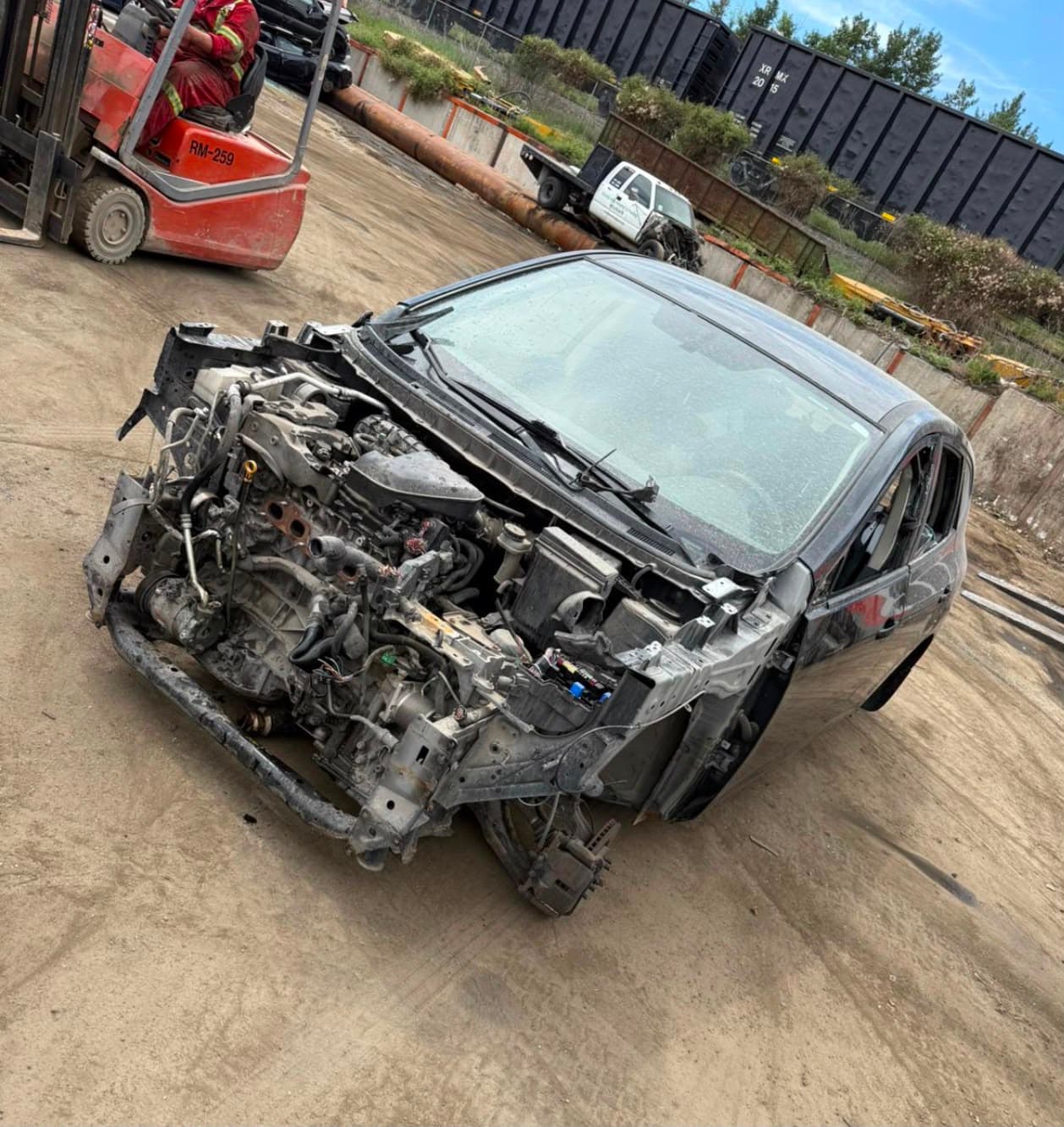
The tow truck is gone, the cash is in your pocket, and the driveway is finally clear. It feels finished - but there's one call left, and skipping it quietly costs Calgary car owners money every month.
Auto insurance doesn't cancel itself when a vehicle is scrapped. The recycling facility deregisters the car with the Alberta registry, but your insurer isn't part of that transaction and has no idea anything changed. Left alone, premiums keep coming out of your account for a vehicle that has already been shredded.
Here's how to close it out properly, and how to make sure you get back what you're owed.
Get the Timing Right - This Is the Part People Get Wrong
The instinct is to cancel as soon as the sale is arranged. Don't.
Until the vehicle physically leaves your property and you've been paid, it's still yours and still your liability. In the days between booking a pickup and the truck actually arriving, that car can be hit while parked, vandalized, or damaged in a storm. If your coverage lapsed the moment you booked, you'd be absorbing that loss personally.
The correct sequence:
- Book your collection through the standard cash for cars process
- Hand over the vehicle and receive payment
- Watch the flatbed leave
- *Then* call your insurer
Aim to make the call the same day, or the next morning at the latest. Every day of delay is a day you're paying for coverage on nothing.
What to Have Ready Before You Call
Gather this first so the call takes ten minutes rather than thirty:
- Your policy number
- The exact date the vehicle was collected - this becomes your cancellation effective date
- The vehicle's VIN, year, make, and model
- Your personal details on file - date of birth, address, and name spelling
- Banking information if your refund will be deposited rather than credited
Having the pickup date precisely matters. Insurers backdate cancellations to the date the vehicle left your possession, and the difference between "sometime last week" and a specific date can affect your refund calculation.
Making the Call
Most Alberta insurers handle cancellation by phone. Some require a follow-up email or signed form. A few allow it entirely through an online portal.
Tell the representative plainly: the vehicle has been scrapped, and you want the policy cancelled effective the pickup date. Then ask these three questions:
"What refund am I entitled to?" Auto insurance in Alberta is paid in advance. Cancelling mid-term means unused premium comes back to you.
"Is there a short-rate penalty?" This is the one people don't know to ask about. Some insurers apply a cancellation charge - often around 10% of the refund - when you cancel a policy outright rather than transferring coverage to a replacement vehicle. Knowing about it in advance sometimes gives you room to negotiate or restructure.
"How will the refund be issued and when?" Typical processing runs five to fifteen business days, returned through the original payment method.
Always Get It in Writing
Request written confirmation of the cancellation before you hang up - an email, a mailed letter, or a cancellation endorsement document.
Keep it. You may need it when applying for coverage on your next vehicle, if a billing dispute arises, or if a pre-authorized payment somehow continues after the cancellation date. A verbal confirmation with no paper trail is worth very little six months later.
Don't Forget Your Plates
Insurance and registration are separate processes in Alberta, but they're worth handling together.
Your licence plates belong to you, not the car. Remove them before the tow truck arrives - this should already be on your pre-pickup belongings checklist. Then either:
- Transfer them to a replacement vehicle at any Calgary registry office, or
- Surrender them to a registry, which may return a partial refund on unused registration fees
Leaving plates attached to a vehicle bound for a recycling facility is both a regulatory problem and an unnecessary risk.
If the Vehicle Was Financed
A car loan adds a step. Your lender is almost certainly named as a loss payee on the insurance policy, meaning they have a financial interest in any claim payout.
Before the insurer will process a clean cancellation, that interest needs to be resolved:
- Contact your lender and settle the outstanding balance
- Obtain a written lien release
- Provide it to your insurer alongside the cancellation request
In practice this rarely comes up in scrap transactions, since a buyer can't legally take ownership of a lien-encumbered vehicle in the first place. But if you're carrying a loan on a car that's been written off or is otherwise not worth repairing, sort the financing before booking a pickup.
Buying Another Car Soon? Consider This First
If a replacement vehicle is coming within weeks, full cancellation may not be your best move.
Continuous coverage history matters in Alberta. A gap in your insurance record can raise premiums on your next policy, sometimes noticeably. Ask your insurer about:
- Same-day substitution - cancelling the old vehicle and adding the new one in a single transaction, avoiding any gap entirely
- A non-owned vehicle endorsement - maintains an active policy and your continuous coverage record without a vehicle attached
- Suspending rather than cancelling - available from some insurers for short gaps
A five-minute conversation about this can save more than the refund itself.
Quick Checklist
- Vehicle physically collected and payment received
- Insurer contacted within 24 hours
- Policy number and exact pickup date provided
- Asked about refund amount and short-rate penalty
- Written cancellation confirmation obtained
- Plates removed and returned or transferred
- Lien released, if applicable
- Discussed substitution or suspension if buying again soon
- Verified no further pre-authorized debits after the cancellation date
That last item deserves a note: check your bank statement the following month. Automated payments occasionally continue past a cancellation date due to processing lag, and catching it early is far easier than clawing it back later.
Closing the File
Scrapping a car in Calgary is a fast transaction - often start to finish inside two days, whether the vehicle runs or is a non-running car being sold for cash. The insurance call is the final piece that makes it genuinely complete.
Ten minutes on the phone, one confirmation email saved, one refund on its way. Then it's actually done.