The vehicle is usually the last thing anyone deals with.
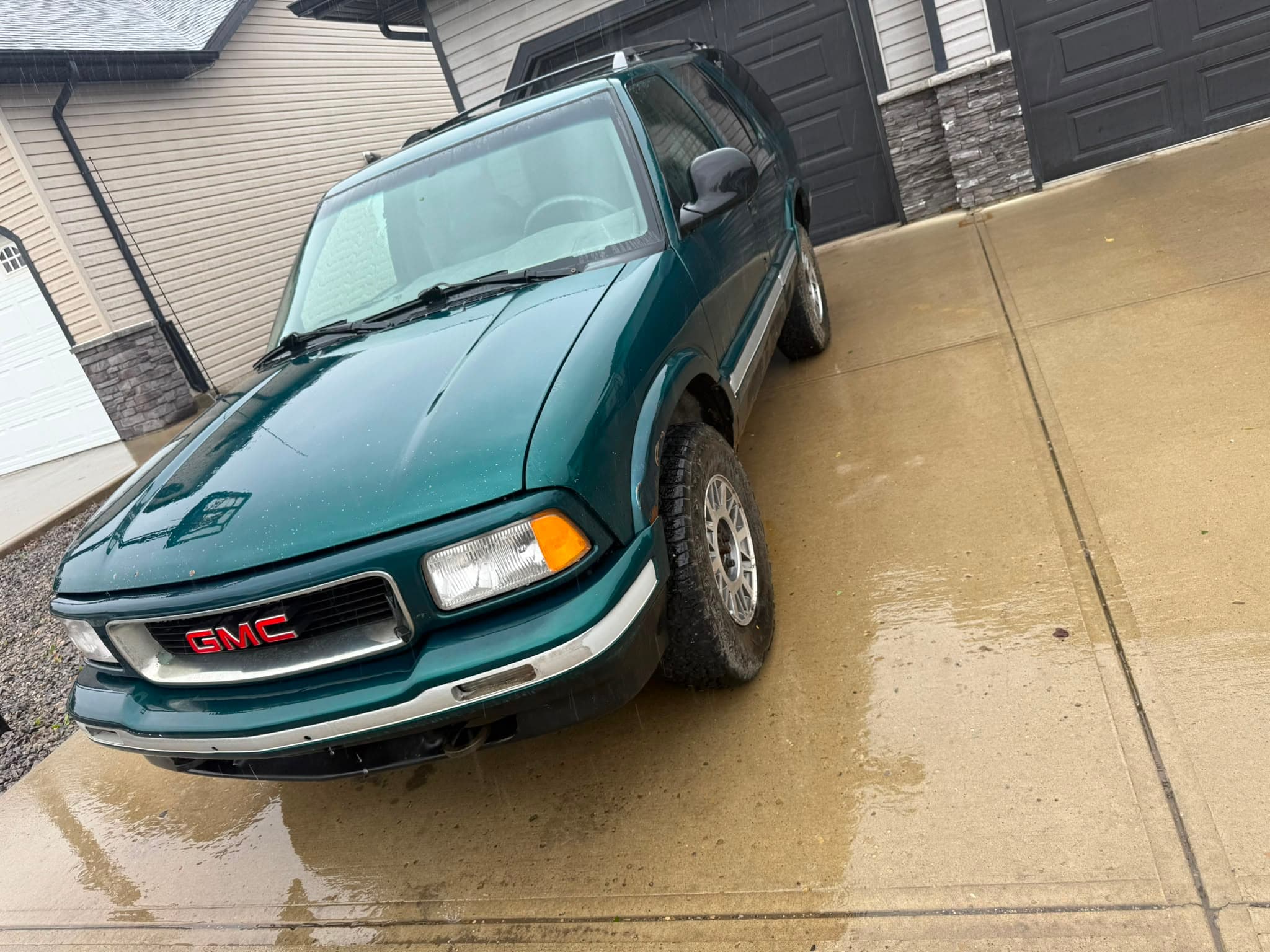
The house gets sorted. The bank accounts get closed. And the car sits in the driveway or the garage for months, accumulating dust, insurance charges, and a quiet sense of guilt, because nobody is quite sure whether they are allowed to touch it.
They are right to hesitate. In Alberta you cannot simply sell a deceased person's vehicle the way you would sell your own, and the family member who tries usually discovers this at a registry counter after driving there with the keys and a hopeful expression.
Here is how the process actually works, in the order it needs to happen.
This is general information, not legal advice. Estate law is fact-specific and procedures change. Confirm your situation with an Alberta registry agent or an estate lawyer.
First, Understand Who Owns the Car Now
This is the concept everything else rests on.
When someone dies, their property does not pass immediately to their family. It becomes part of their estate, a legal entity that holds the assets until they are distributed. The car now belongs to the estate, not to the spouse, not to the children, and not to whoever happens to have the keys.
Only one person can deal with it: the personal representative. That is Alberta's term for the individual with legal authority to administer the estate, an executor if they were named in a will, or an administrator appointed by the court if there was not one.
If you are not the personal representative, you cannot sell the vehicle, regardless of how obvious it seems that you should be able to. And if you are, your authority comes with duties attached that most people do not expect.
Step 1: Deal With the Insurance Immediately
This is the most urgent item and the one most families overlook for weeks.
An auto insurance policy is a contract with a specific named individual. When that person dies, coverage does not simply continue as normal. Depending on the insurer and the policy, coverage may be limited, restricted to certain drivers, or subject to conditions you do not know about.
The practical danger is real: a family member drives the car "just to move it" or "just to get it home," has an accident, and discovers there was no valid coverage. That exposure lands on the driver and potentially on the estate.
Call the insurer within days, not months. Tell them the policy holder has died and ask directly what coverage remains, who may lawfully drive the vehicle, and what is required to keep it insured while the estate is administered. Get the answer in writing.
If nobody needs to drive it, the simplest safe position is often to stop driving it entirely and leave it parked until the estate is sorted.
Step 2: Confirm Your Authority and What Documents You Will Need
Before you can transfer or sell the vehicle, you need to prove you are entitled to.
At minimum, expect to need:
- Proof of death, usually a death certificate or funeral director's statement of death
- Proof of your authority, typically a grant of probate where there is a will, or a grant of administration where there is not
- The vehicle registration
- Your own photo identification
Whether a full court grant is required depends on the estate. Larger or more complex estates almost always need one. Some smaller and simpler estates can be handled with alternative documentation, and requirements vary with the circumstances.
This is the single question worth asking before you do anything else. Call an Alberta registry agent, describe your situation honestly, the size of the estate, whether there is a will, who the beneficiaries are, and ask what they will actually accept. Ten minutes on the phone can save you weeks of assembling documents you did not need, or a wasted trip with documents that fall short.
Step 3: Read the Will Before You List Anything
This is an easily missed and genuinely costly mistake.
If the will specifically leaves the vehicle to a named person, for example "I give my car to my nephew James," then the car is James's. The personal representative's job is to transfer it to him, not to sell it and add the proceeds to the estate. Selling a specifically gifted asset can create real liability.
If the vehicle is not mentioned individually, it typically falls into the residue of the estate and can be sold, with the proceeds distributed according to the will's terms.
If there is no will, Alberta's intestacy rules determine who inherits, and the personal representative sells or distributes accordingly.
Read the document. Then read it again.
Step 4: Check for a Lien
If the vehicle was financed, a lien may still be registered against it through Alberta's Personal Property Registry, and the debt does not disappear when the borrower dies.
Run a search, a registry agent can do this, and find out where the loan stands. If there is a balance, it generally needs to be resolved through the estate before a clean sale can happen. On a vehicle worth less than the outstanding loan, this becomes an estate debt question rather than a car question, and it is worth getting advice.
Discovering an undischarged lien at the point of sale is a bad surprise. Discovering it early is just an item on a list.
Step 5: Establish the Value and Document It
This step protects you, and it is the one personal representatives most often skip.
A personal representative has a legal duty to act in the estate's best interests and to treat beneficiaries fairly. Selling a $9,000 vehicle to your own brother-in-law for $2,000 is exactly the kind of transaction that generates a challenge from another beneficiary two years later, and the person on the wrong end of that challenge is you, personally.
Protect yourself with a paper trail:
- Get more than one written quote or valuation
- Keep a record of how the vehicle was marketed, if you listed it
- Keep every offer you received, including the ones you declined
- Document why you accepted the offer you accepted
- File all of it with the estate accounting
None of this is difficult. It just has to exist.
Step 6: Complete the Sale Properly
Once you have authority and a buyer, the mechanics are the same as any Alberta vehicle sale with one difference: you are signing as personal representative of the estate, not as the owner.
Use a bill of sale with the full names and addresses of both parties, the date, the VIN, year, make and model, odometer reading, sale price, and signatures. Note your capacity as personal representative. Keep a copy with the estate records permanently.
Plates come off before the vehicle leaves. In Alberta, licence plates belong to the registered owner rather than the vehicle, and they never transfer with a sale. They cannot be passed to a beneficiary either. Return them to a registry agent.
Clear out personal belongings first. Glovebox, centre console, spare tire well, under the seats, and behind the visors. Families find documents, jewellery, and photographs in these places months after a death, and once the vehicle is gone, it is gone.
Deposit the proceeds into the estate account, never a personal one. This is basic estate administration hygiene and it matters if the accounting is ever questioned.
If the Vehicle Has Reached the End of Its Life
Plenty of estate vehicles are not worth repairing or listing privately, a car that has not run in six years, for example, or one that would cost more to fix than it is worth.
The legal requirements do not change. You still need authority to dispose of it, you still need a bill of sale documenting the transfer, and you still need to remove the plates. What changes is the buyer: an end-of-life vehicle buyer will typically quote over the phone, tow it free, and pay on collection, which suits an executor who is managing this from another city and cannot spend six weeks fielding messages.
Keep the bill of sale regardless of how little the vehicle was worth. It is your record that the estate's asset was disposed of on a specific date, for a specific amount, to a specific party.
If the car is clearly beyond repair and you need a simple handoff once the estate paperwork is in order, an end-of-life vehicle buyer can usually handle the pickup and documentation in one visit.
The Mistakes That Cost People Most
- Driving it before confirming coverage
- Selling before confirming authority
- Selling a car the will gave to someone specific
- Selling cheaply to family without documentation
- Letting it sit for a year while the vehicle depreciates and storage or insurance costs continue
Delay has a price. The battery dies, the tires flat-spot, rodents find the wiring harness, and the estate keeps paying to store and insure something nobody wants. Beneficiaries eventually notice that cost.
The Short Version
Confirm the insurance position immediately. Confirm who has authority. Call a registry agent and ask exactly what documents they need before you gather anything. Check the will and check for a lien. Get the vehicle valued and keep the paperwork. Then sell it properly, with a bill of sale, plates removed, and proceeds into the estate account.
It is a manageable process. It just is not an informal one, and knowing that at the start saves considerably more grief than discovering it at the counter.